
Nourishing the Gut to Transform Health
“Almost all our health concerns can be traced back to our belly. Ensure a healthy gut, and the rest will take care of itself.“ – Behzad Azargoshasb
When you understand that health begins in the gut, the GAPS Nutritional Protocol becomes more than a diet — it becomes a roadmap for renewal. This is the heart of GAPS: a phased, nutrient-rich, food-as-medicine approach designed to calm inflammation, repair the gut lining, rebalance the microbiome, and support the body’s innate healing wisdom.
Dr. Natasha Campbell-McBride first laid out this protocol in 2004 in her book Gut and Psychology Syndrome. Since then, the protocol has become a global reference in holistic gut healing, offering families a structured yet flexible path to recovery.
Core Structure: Diet, Detox & Lifestyle, Supplementation
While the diet is the foundation, the full GAPS approach integrates detoxification, lifestyle changes, and, when appropriate, supplement support.
- Diet (Primary): the protocol revolves around what you eat (and what you avoid).
- Detox & Lifestyle: removing toxins, ensuring rest, reducing stress, and creating supportive habits.
- Supplementation: used selectively and under guidance, to support nutrient gaps during healing.
Over time, many people transition to a maintenance version of GAPS, sustaining much of the protocol’s principles while living more freely.
“After 2 months on the Full GAPS diet, I stopped losing excess hair. (I had been losing my hair for 6 years before then!) By then my stools had become normal. My symptoms of chronic fatigue disappeared, and I felt bursting with energy. I also didn’t come down with a cold or flu for the last 2 years.” – Anne
The Diet: From Introduction to Full GAPS
The dietary path in GAPS is progressive and gentle, designed to meet the body where it is in each stage of healing.
Introduction Diet
This is the first and most therapeutic stage — used when the gut is severely challenged. It consists of six progressive sub-stages.
In the early introduction stages, only simple, well-cooked foods are used:
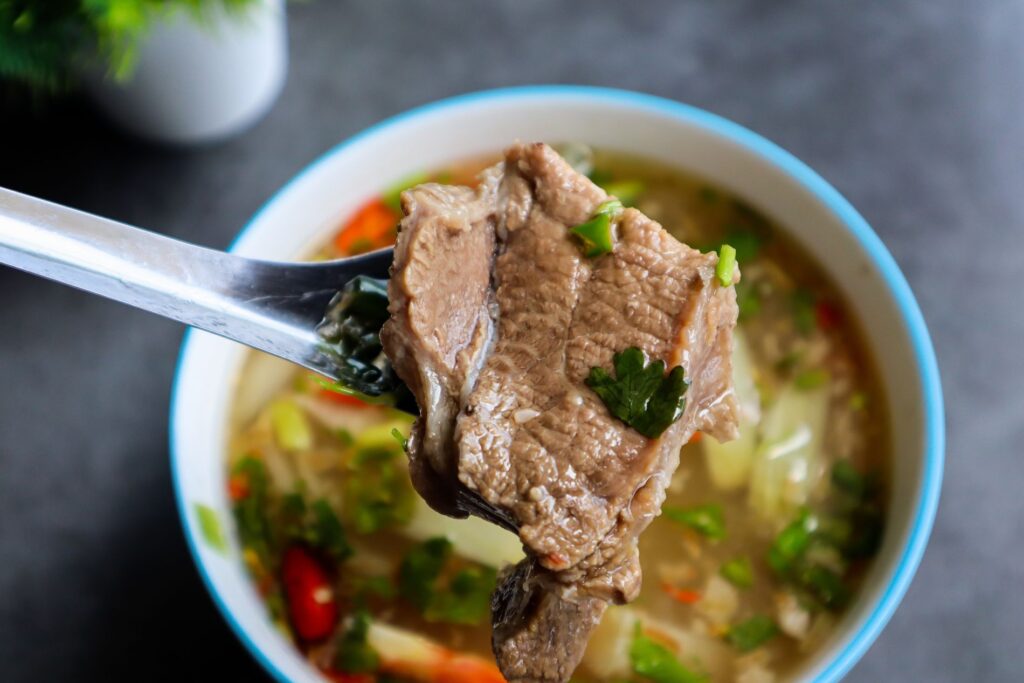
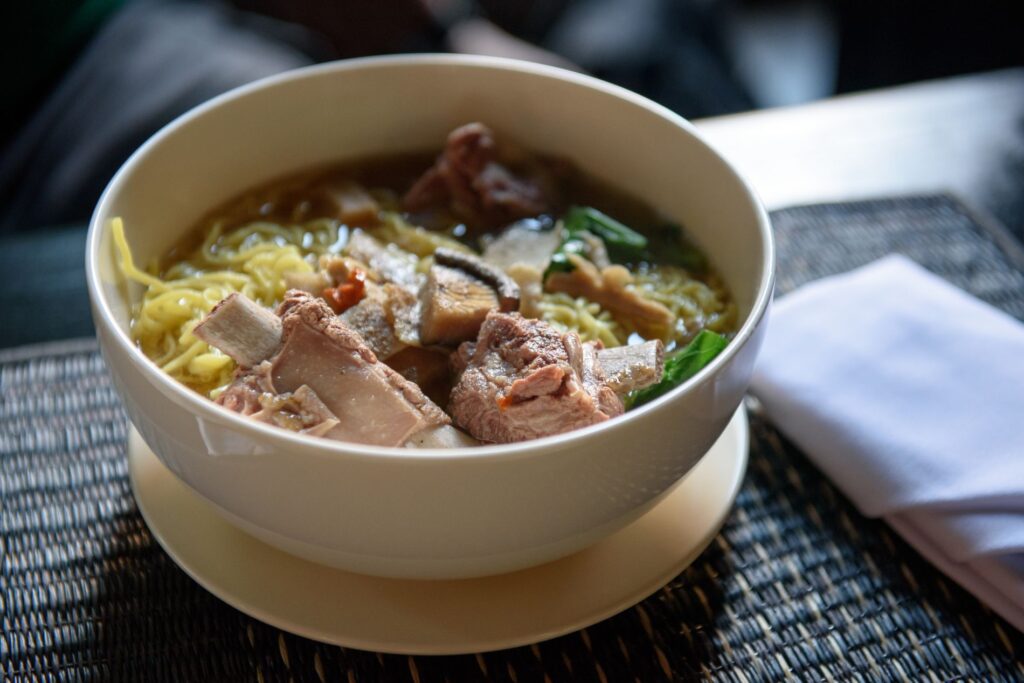
- Meat stocks (often consumed generously)
- Boiled meats + vegetables (peeled, seeds removed)
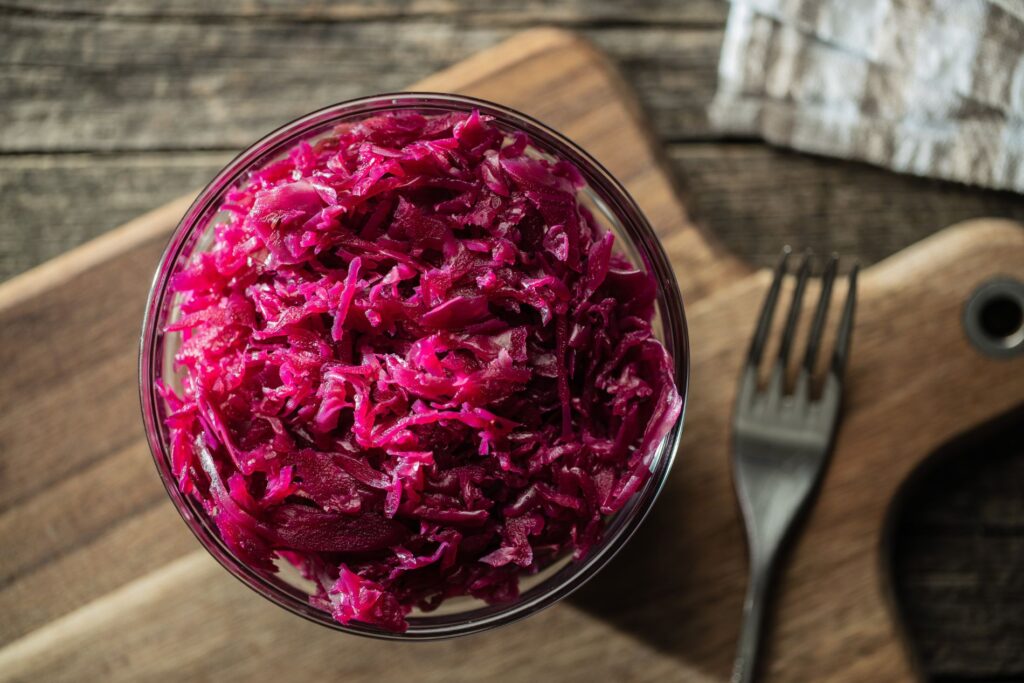
- Fermented vegetable brine
- Herbal teas, plain water
- Later stages gradually add egg yolks, cultured dairy, cold-pressed oils, and fermented vegetables.
The idea is to introduce only one new food at a time, watch for tolerance, and move slowly to avoid aggravating inflammation.
“Reilly is now seven and a half in grade 2 mainstream school, and has caught up with his peers in areas of communication and comprehension. He continues to be a confident reader ahead of his years and obtains high standards in all academic subjects. He enjoys learning music and playing guitar, he has recently joined a rugby team and contributes to scoring a try in almost every game. New people we meet are unaware of his initial diagnosis of autism, and we are proud as punch with his delightful personality.” – Linda Paterson
Full GAPS Diet
Once the gut lining and digestion begin to stabilize, one transitions into the Full GAPS Diet. This phase includes a broader array of foods, always focusing on nutrient density and digestibility.
Allowed foods often include:
- High-quality meats, fish, and shellfish
- Fermented and cultured dairy (yogurt, kefir, sour cream), if tolerated
- Non-starchy vegetables
- Healthy fats (animal fats, coconut oil, olive oil)
- Fermented foods and drinks
- Occasional nuts and seeds (in moderation)
- Nut- or seed-flour baked goods (homemade) as advanced additions
At this stage, processed foods, grains, refined sugars, starchy vegetables, and industrial oils remain excluded. I
Many following GAPS spend between 18 to 24 months in these phases before reintroducing foods, always moving with caution and observation.
“Just to provide some support for daughter we put the rest of the family on GAPS Diet for a few weeks, and to our amazement their symptoms disappeared too! After 2 weeks on the diet, reflux, anxiety, stomach pains and huge emotional outbursts and asthma all disappeared.” – Eileen
Healing Mechanisms in Action
Why does this protocol work? The strategy is not magic — it’s grounded in 5 key healing mechanisms:
- Remove stressors
By eliminating gut irritants — processed foods, sugars, allergens — the gut is freed from constant assault, creating an environment that favors repair. - Provide building blocks
Collagen-rich meat stocks, organ meats, fermented foods, and nutrients from whole, clean ingredients supply exactly what the body needs to mend gut lining, feed beneficial microbes, and repopulate flora. - Support regulation & balance
A healed gut is better at nutrient absorption, immune communication, and system-wide regulation. That cascades into better sleep, mood, hormone balance, immune resilience, and overall vitality. - Lifestyle, Detoxification & Environment
An unhealthy gut leaks toxins into the bloodstream, burdening the liver and other detox pathways. The GAPS Protocol helps restore the body’s natural detox systems through nutrient-dense foods, and gentle cleansing methods such as mineral baths and enemas. - Intelligent Supplementation (When Needed)
While food is the foundation, some individuals need extra support during the healing process. Targeted supplementation — such as probiotics to boost beneficial bacteria, digestive enzymes to ease the workload of the gut, or specific nutrients to fill gaps — can help the body heal more efficiently.
As the gut lining renews and the microbiome stabilizes, many individuals experience improvement not only in digestion but in areas once thought unrelated — like skin, allergies, energy, and mood.
“Following the GAPS Diet has changed my health and the health of my husband too: we both lost weight on the diet, my husband has energy now and his eczema is gone, I am less crabby and irritable, and I do not have cramps and clotting with my periods anymore.” – Melinda D.
Real-Life Considerations & Common Challenges
Beginning the GAPS journey is both powerful and deeply personal. Healing is rarely a straight line, and every family experiences the process a little differently. One of the most important things to remember is that pacing matters. The GAPS Introduction Diet was designed to move slowly, step by step, so the body has time to adjust and respond. Some people find they need to linger longer in certain stages, while others are able to progress more quickly. What matters most is listening to your body’s signals.
Another truth about GAPS is that no two journeys are alike. Foods that one person tolerates easily may cause discomfort in another. Dairy, ferments, and even certain vegetables can vary in their effects. This is why GAPS encourages personalization — it’s not about following a rigid formula, but about working with your own body’s needs.

Perhaps the most important ingredient in any GAPS journey is patience. True healing is not instant; it unfolds slowly over weeks, months, and sometimes years, especially in cases of chronic illness. Yet the changes that come are often deep and life-giving — calmer digestion, more energy, clearer skin, steadier moods, and stronger immunity.
Support also makes the road smoother. Many families choose to work with a certified GAPS Coach or Practitioner who can offer reassurance, practical guidance, and encouragement when things feel overwhelming. Having someone walk alongside you can turn challenges into manageable steps and keep you moving forward with confidence.
“My health is much better, I have lots of energy and many symptoms that I have had for years have improved. The symptoms that have improved include less brain fog, not having pains in my face when it gets cold, and a much stronger immune system, very few colds and sore throats. The GAPS Diet has changed our lives and made sure that we are healthy most of the time.” – K.H.
The Value of Guided Support
Finally, it’s essential to understand that while GAPS is powerful, it is not a replacement for professional guidance. Some individuals, especially those with complex or long-standing conditions such as autoimmune disease or metabolic disorders, may benefit from the oversight of a Certified GAPS Practitioner. These practitioners are trained in the GAPS protocol and bring clinical backgrounds that allow them to safely guide individuals through more advanced or therapeutic applications of the diet.
Working alongside a Certified GAPS Coach, a Practitioner can ensure that the protocol is adapted to meet individual needs, making the healing journey safer, smoother, and more effective. This team approach provides families with both the clinical expertise and the hands-on, day-to-day support needed to truly thrive.
✨ Your Next Step: Meet our GAPS team and discover how coaching and practitioner guidance can help you start your family’s journey to lasting health.