What If Your Baby’s First Food Wasn’t Rice Cereal?
For many years, rice cereal has been promoted as a baby’s first food. It’s what many of us were told to feed our children, and it’s still commonly recommended today.
But what if there was a gentler, more nourishing way to introduce solids?
In the GAPS (Gut and Psychology Syndrome/Gut and Physiology Syndrome) approach, the first food isn’t rice cereal. Instead, we begin with homemade meat stock.
This may come as a surprise to many parents, but there is a thoughtful reason behind it.
Why Start with Meat Stock?
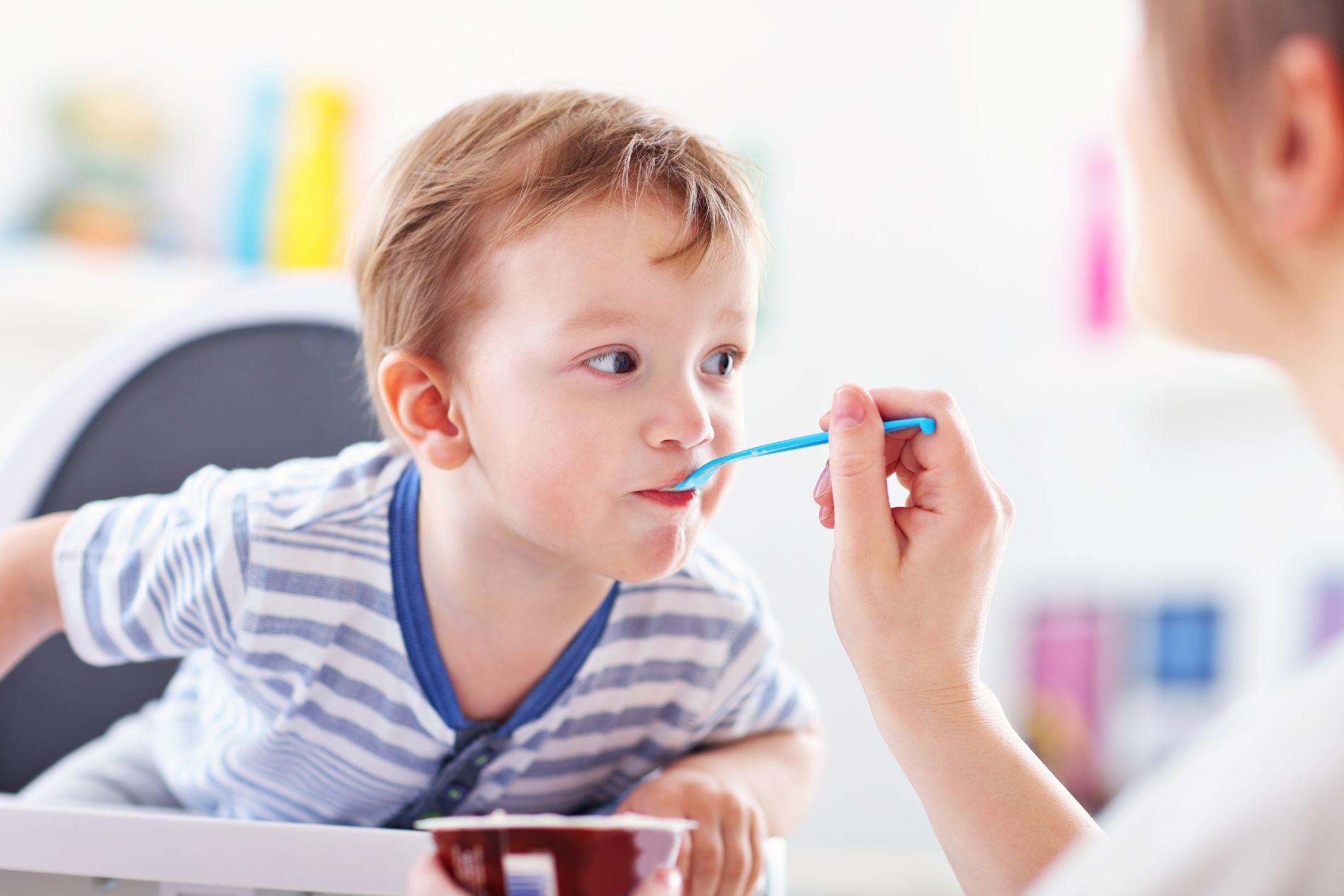
Around six months of age, babies begin transitioning from breast milk or formula to solid foods.
At this stage, their digestive systems are still developing. Their bodies are learning how to digest foods beyond milk, absorb nutrients efficiently, and build a healthy gut microbiome.
Rather than overwhelming this delicate digestive system, the GAPS Baby Blueprint begins with a food that is gentle, nourishing, and easy to absorb.
Homemade meat stock provides exactly that.
A Rich Source of Easily Absorbed Nutrients
When meat on the bone is gently simmered with its skin, cartilage, and connective tissue, valuable nutrients are released into the stock.
These include:
- Collagen
- Gelatin
- Amino acids
- Natural animal fats
- Essential minerals
Together, these nutrients help nourish and support the developing gut lining while your baby’s digestive system adapts to solid foods.
Unlike many processed baby foods, meat stock offers nourishment in a form that is naturally easy for babies to receive.
Why Does Meat Stock Turn into Jelly?
One of the most beautiful signs of a well-made meat stock appears after it has been chilled.
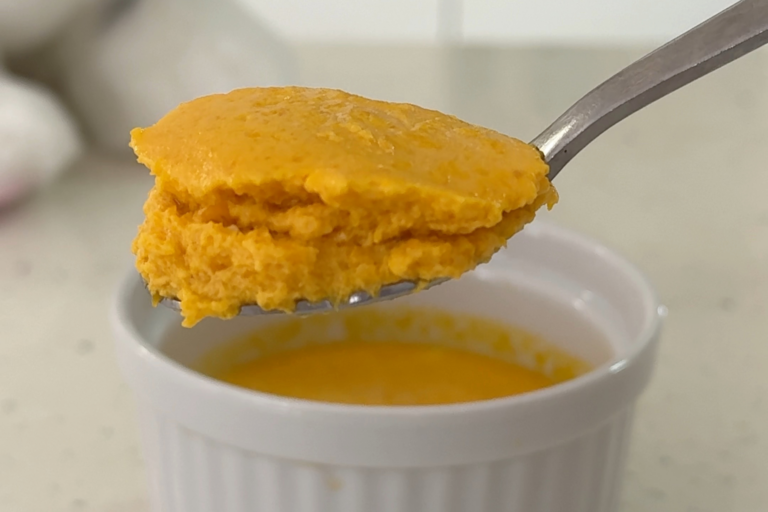
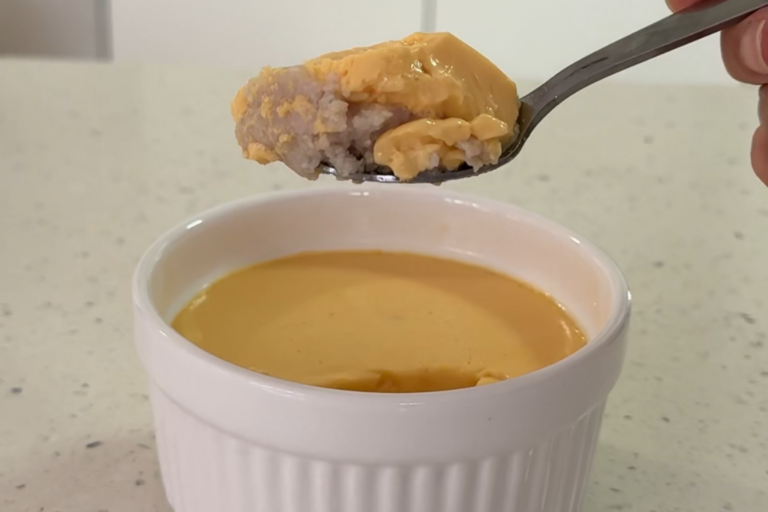
Instead of remaining a liquid, it transforms into a soft jelly.
Some people mistakenly think something has gone wrong.
In reality, this is exactly what you want to see.
The jelly-like texture is created by the natural gelatin released during cooking. It is a wonderful indication that your stock is rich in the nourishing compounds traditionally valued for supporting a healthy digestive system.
Don’t Remove the Fat
If you’ve ever noticed a layer of fat on homemade soup, you may have been tempted to skim it off.
For babies, however, these natural animal fats are incredibly valuable.
Healthy fats provide important building blocks for your baby’s rapidly developing brain and nervous system. They also supply energy to support healthy growth during this remarkable stage of development.
In the GAPS approach, these natural fats are considered an important part of your baby’s nourishment—not something to be discarded.
A Return to Traditional Wisdom
Long before commercial baby foods existed, families around the world nourished their children with simple, homemade foods prepared from whole ingredients.
Slow-simmered meat stock has been treasured across many traditional cultures because it provides gentle, nourishing support during times of growth, recovery, and healing.
Sometimes, the oldest traditions still have much to teach us.
A Gentle Beginning
Introducing solids isn’t simply about helping your baby eat new foods.
It’s about building a strong digestive foundation that can support lifelong health.
Every baby develops at their own pace, and there is no need to rush.
Begin slowly. Observe your baby’s response. Trust the wisdom of their developing body.
Small, loving choices made consistently can have a lasting impact.
Want to Learn More?
If you’re preparing to introduce solids or simply want to learn more about nourishing your baby’s gut from the very beginning, I’d love to invite you to download my free ebook:
📖 Nurtured From The Start: The GAPS Baby Blueprint
Inside, you’ll discover:
- Why gut health begins before birth
- A gentle 10-week GAPS introduction plan
- Nourishing baby recipes
- How to recognise early signs of gut imbalance
- Practical tips to help you raise a healthy, resilient child
Your baby’s first foods are more than just meals. They are the foundation for a lifetime of health.