How to Render Lard – A Traditional Kitchen Skill Worth Remembering
Some of the most nourishing foods are not new discoveries at all. They are the quiet traditions that lived in our kitchens long before modern food trends arrived.
Rendering lard is one of those simple, forgotten skills.
I still remember watching my mother in the kitchen when I was young. Nothing in our home was wasted. When pork fat was brought home from the market, it was never thrown away. Instead, it was carefully cut into small pieces and slowly cooked down until the kitchen filled with the warm, comforting aroma of rendered fat.
A jar of freshly rendered lard would soon sit on the kitchen counter — creamy, fragrant, and ready to be used in stir-fries, soups, noodles, and vegetables. To us, it was simply food. Ordinary, nourishing food that made every dish taste just a little richer and more satisfying.
Back then, no one questioned whether lard was healthy. It was simply part of traditional cooking, used widely across Chinese and many other cultures for generations.
A Traditional Fat with Deep Roots
Lard has long been a staple in traditional Asian cooking. Before modern vegetable oils became common, it was one of the primary cooking fats used in the kitchen.
From a nutritional perspective, lard provides a balanced mix of fats, including monounsaturated fats similar to those found in olive oil. It also contains small amounts of fat-soluble vitamins.
In Traditional Chinese food therapy, lard has been valued for its ability to nourish the body and moisten dryness — particularly during times of weakness or recovery.
From the GAPS perspective, natural animal fats like lard play an important role in supporting the body. These fats provide the building blocks needed for:
• brain health
• hormone balance
• cellular repair
• gut healing
Unlike highly processed seed oils, traditional fats like lard are also stable at higher cooking temperatures, meaning less oxidation, better flavour, and suited for everyday cooking.
Sometimes the foods that support our health most deeply are the ones our grandparents used without thinking twice.
Ingredients
• About 1 kg pork fat, cut into small pieces
• ½ cup water
That’s it. Just two simple ingredients.
Instructions
- Place the pork fat and water into a pot.
- Cook over medium heat.
- As the fat slowly warms, it begins to release its oil. The water helps prevent the fat from burning at the start of the process.
- Over time, the water will evaporate and the fat will continue rendering on its own.
- As the oil begins to pool, you can carefully scoop or strain the liquid lard into a clean, heat-proof container.
- Continue cooking until the remaining fat pieces turn into golden cracklings.
- The whole process takes about one hour.
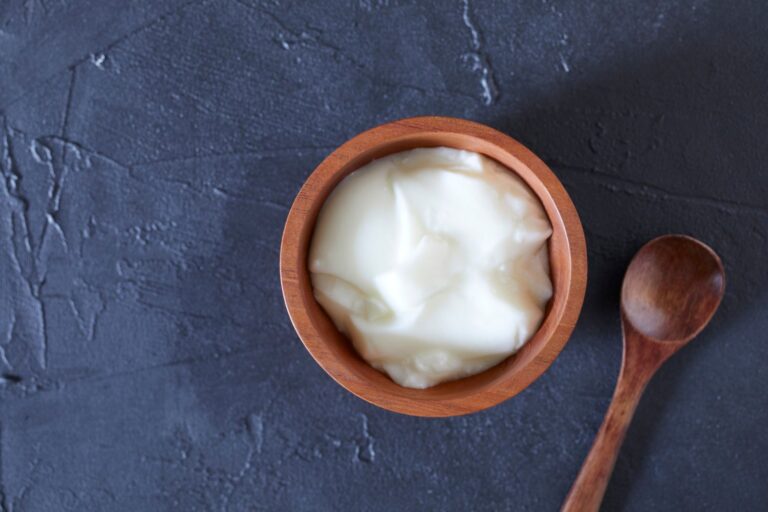
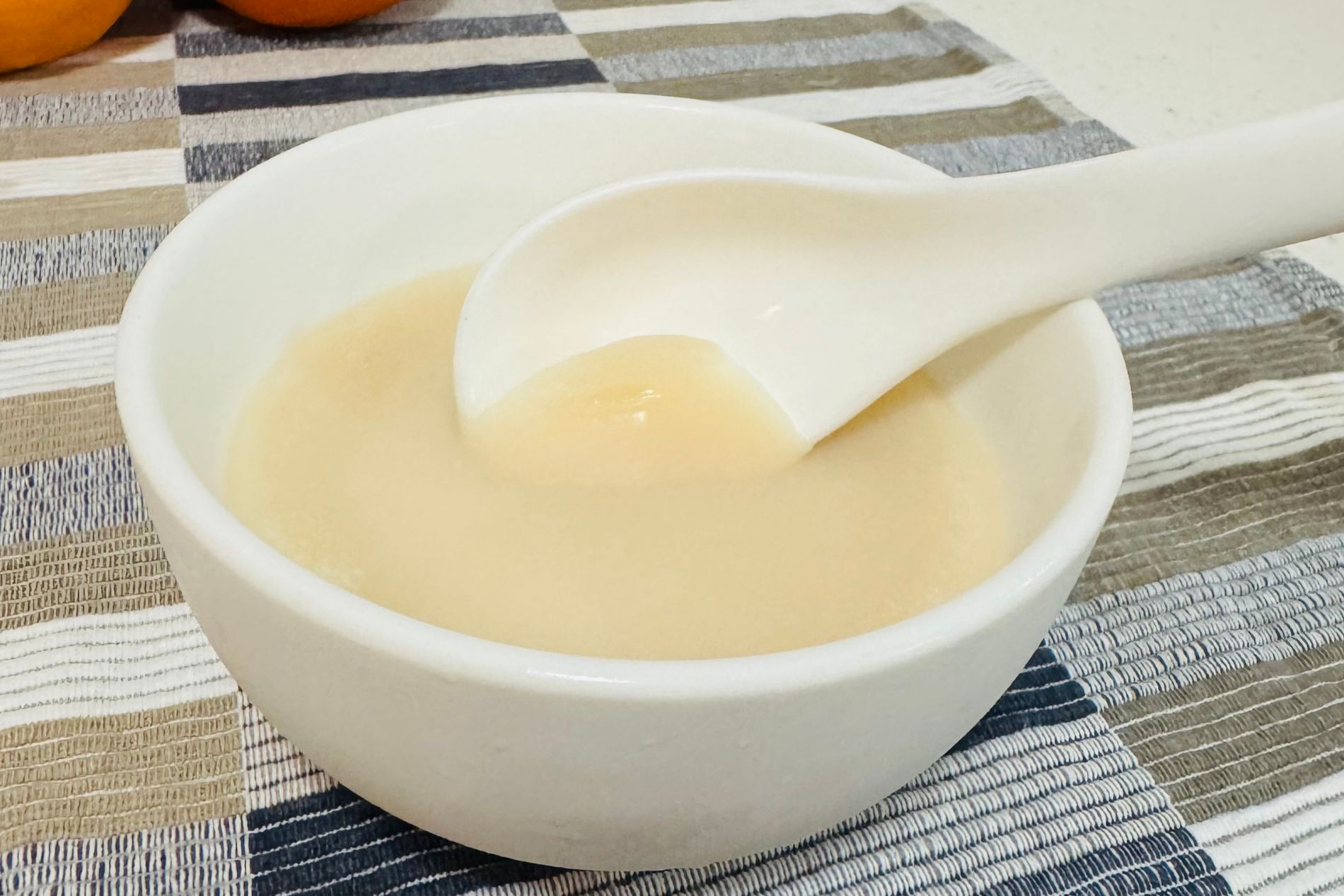
- Allow the rendered lard to cool. Once set, it will turn into a creamy white cooking fat ready for everyday use.
Notes & Tips
Use gentle heat
Rendering lard slowly helps preserve the quality of the fat and produces a clean, light-colored lard.
Choose good quality pork fat
Fat from pasture-raised pigs will produce the best flavor and nutritional quality.
Don’t waste the cracklings
The crispy cracklings left behind are delicious. They can be sprinkled over stir-fried vegetables, soups, or even enjoyed as a savoury snack.
Store properly
Rendered lard can be kept in the refrigerator for several months.
Final Thoughts
Rendering lard is more than just a cooking technique.
It is a reminder of a time when kitchens were guided by simplicity, thrift, and deep respect for food. Nothing was wasted. Everything had value.
In many ways, returning to traditional foods like this is also a return to a slower, more thoughtful relationship with nourishment.
Perhaps that is why these old kitchen traditions continue to endure. They carry with them the quiet wisdom of generations who understood that good food — simple, real food — has always been one of the foundations of health.
Sometimes, the path forward begins by remembering what came before.
If you enjoyed learning how to render lard, you may also enjoy some of my other GAPS recipes that use traditional nourishing fats and slow-cooked meat stock to support digestion and overall health.
Take a look at the other recipes in the GAPS Recipes section and discover how simple, traditional foods can become powerful tools for healing.